123-456-7890

hellocallcenter@gmail.com

123 Anywhere St., Any City, 12345
An aortic aneurysm is a bulging, weakened area in the wall of the aorta, the largest artery in the body that carries oxygen-rich blood from the heart to the rest of the body. If left untreated, an aortic aneurysm can grow and eventually rupture, leading to life-threatening internal bleeding and a high risk of death. Early detection, regular monitoring, and timely surgical intervention are essential to prevent rupture and ensure optimal outcomes.
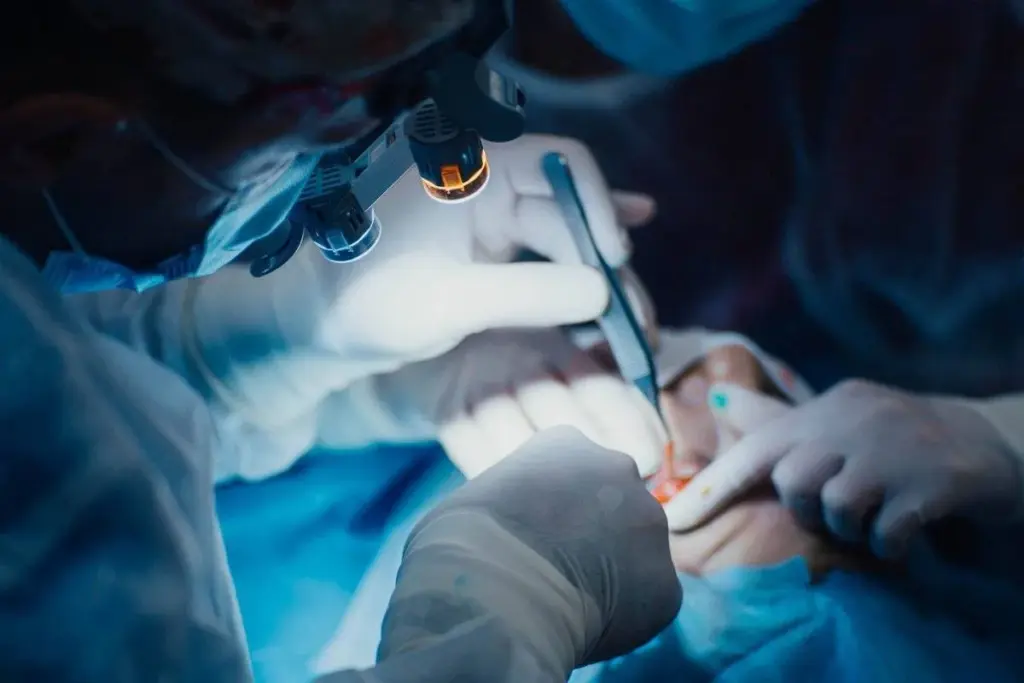
Aortic aneurysm surgery involves repairing a weakened or bulging section of the aorta to prevent rupture. The procedure may be performed as an open surgical repair, where the damaged section of the aorta is replaced with a synthetic graft, or as a minimally invasive endovascular aneurysm repair (EVAR), where a stent-graft is inserted through small incisions in the groin and guided to the aneurysm site. Both approaches are highly effective in preventing rupture and restoring normal blood flow.
At Nandan Vascular Center, we specialize in comprehensive aortic aneurysm evaluation and advanced surgical treatments including open surgical repair, endovascular aneurysm repair (EVAR), and complex fenestrated or branched endograft procedures. Our experienced vascular surgeons use state-of-the-art technology and personalized care to achieve the best possible outcomes for each patient.
Aortic aneurysms can occur in different locations along the aorta. Understanding the type and location is essential for determining the most appropriate treatment approach.
The most common type, occurring in the abdominal section of the aorta below the diaphragm. AAA typically develops slowly over many years and is often asymptomatic until it reaches a significant size or ruptures.
Occurs in the chest portion of the aorta, above the diaphragm. TAA can affect the ascending, arch, or descending thoracic aorta and may require complex surgical approaches.
Involves both the thoracic and abdominal portions of the aorta, requiring the most complex surgical techniques and multidisciplinary care.
Aortic aneurysms often develop without any symptoms until they become large or rupture. Regular screening and awareness of warning signs are essential for early detection.
Aortic aneurysms develop when the aortic wall weakens due to various factors. Identifying and managing these risk factors is crucial for prevention and early detection.
At Nandan Vascular Center, we use state-of-the-art diagnostic tools to accurately detect and evaluate aortic aneurysms: Abdominal Ultrasound – a simple, non-invasive screening test for abdominal aortic aneurysms, CT Angiography (CTA) – detailed imaging that precisely measures the aneurysm size, location, and relationship to branch vessels, MR Angiography (MRA) – non-invasive imaging for patients who cannot have CT contrast, Echocardiography – for evaluating thoracic aortic aneurysms, Digital Subtraction Angiography (DSA) – precise imaging used before endovascular procedures to plan the intervention.
Aortic aneurysm treatment depends on the size, location, growth rate, and the patient's overall health. We offer a full spectrum of treatments tailored to each patient's condition.
For small aneurysms (typically under 5.0-5.5 cm), regular surveillance with ultrasound or CT imaging, blood pressure control, smoking cessation, and lifestyle modifications are recommended.
The traditional surgical approach where the aneurysm is exposed through an incision in the abdomen or chest, and the damaged section is replaced with a synthetic graft. This is the gold standard for suitable candidates.
A minimally invasive procedure where a stent-graft is inserted through small incisions in the groin and guided to the aneurysm site. The graft is then expanded to seal the aneurysm and restore normal blood flow. EVAR offers shorter recovery time and fewer complications.
Advanced endovascular solutions for complex aneurysms that involve important branch vessels such as the renal or mesenteric arteries. These custom-designed grafts preserve blood flow to vital organs while excluding the aneurysm.
Combining open and endovascular techniques for patients with complex anatomy or extensive aneurysms, providing a tailored approach for optimal outcomes.
Aortic rupture is a life-threatening emergency that requires immediate medical attention. Recognizing the signs and acting quickly can save lives.
Recovery after aortic aneurysm surgery depends on the type of procedure performed. We provide comprehensive post-operative care to ensure optimal outcomes.
We provide comprehensive, multidisciplinary aortic aneurysm care with a focus on early detection, advanced interventions, and long-term outcomes.
Our specialists utilize advanced imaging techniques including CT Angiography, MRI, Ultrasound, and vascular assessments to accurately diagnose aortic aneurysms and evaluate their size, location, and risk of rupture. Early diagnosis allows timely treatment and significantly improves patient outcomes.
We offer both minimally invasive Endovascular Aneurysm Repair (EVAR) and conventional open surgical repair depending on the patient's condition. Our experienced vascular surgeons select the most appropriate procedure to maximize safety, reduce recovery time, and achieve long-term success.
Every patient receives a customized treatment strategy based on aneurysm size, location, age, overall health, and associated medical conditions. Our multidisciplinary approach ensures safe surgery, reduced complications, and the best possible long-term vascular outcomes.
We provide comprehensive postoperative care, regular imaging follow-ups, blood pressure management, and lifestyle counseling to monitor vascular health and prevent future complications. Our long-term care programs support faster recovery and help patients maintain a healthy, active lifestyle.
Complete the form below and our team will contact you to confirm your appointment.

32/2/9, Ratnamamba Street,
Padmaja Clinic,
Mogalrajapuram,
Christurajupuram,
Vijayawada - 520010
Monday - Saturday
9:00 AM - 7:00 PM